TECHNICAL ANSWER
What is the technology for Prokol TopSpray 35?
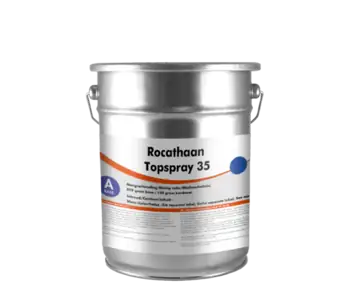
2-component protective coating. Prokol protective coating system for suitable prepared substrates.
TopSpray 35 is the protective finish in the SprayMyCladding refurbishment route: restore colour, protect suitable metal cladding and extend service life without replacing sound panels unnecessarily. Preparation, corrosion treatment and local detailing come first.
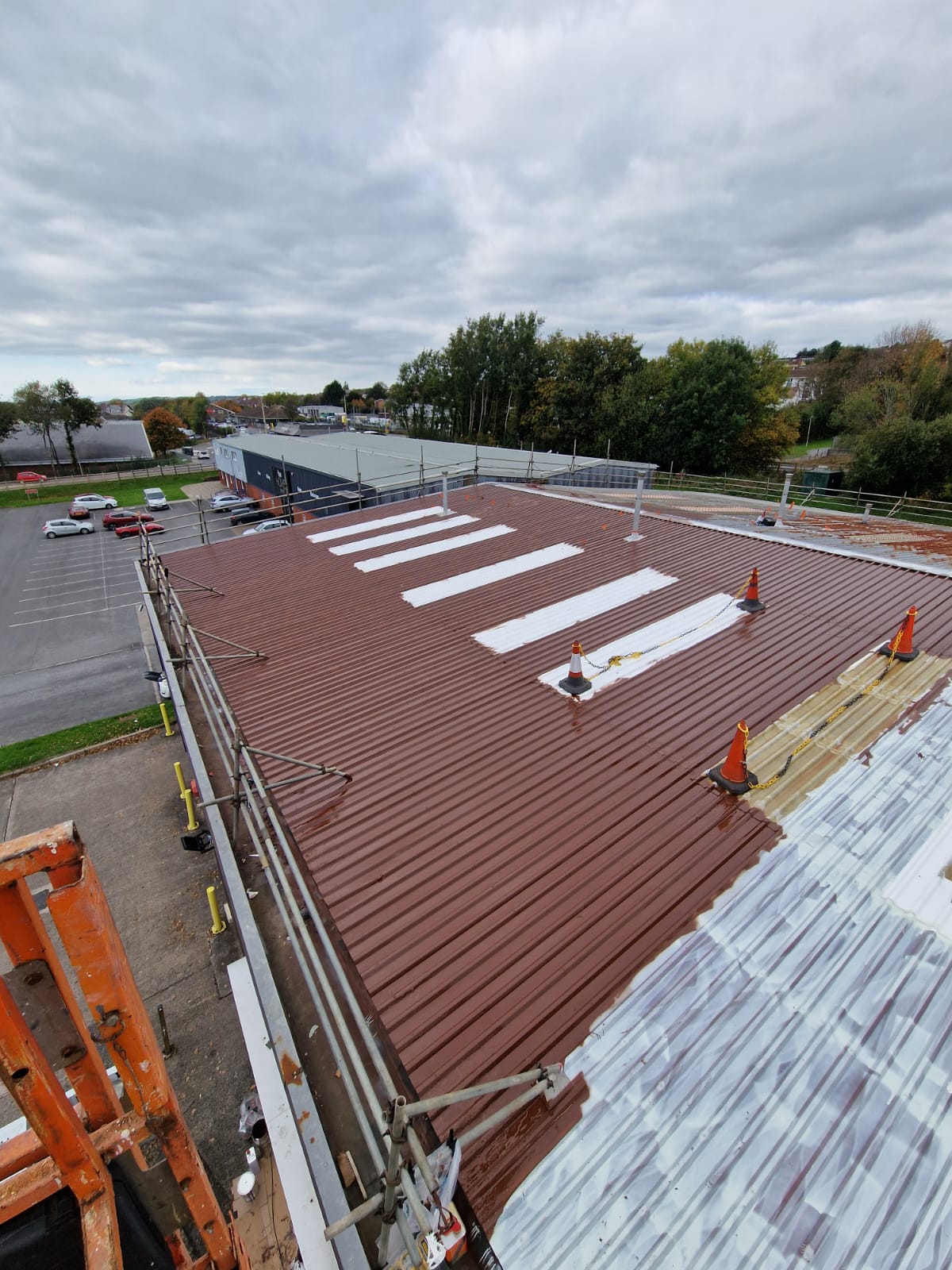
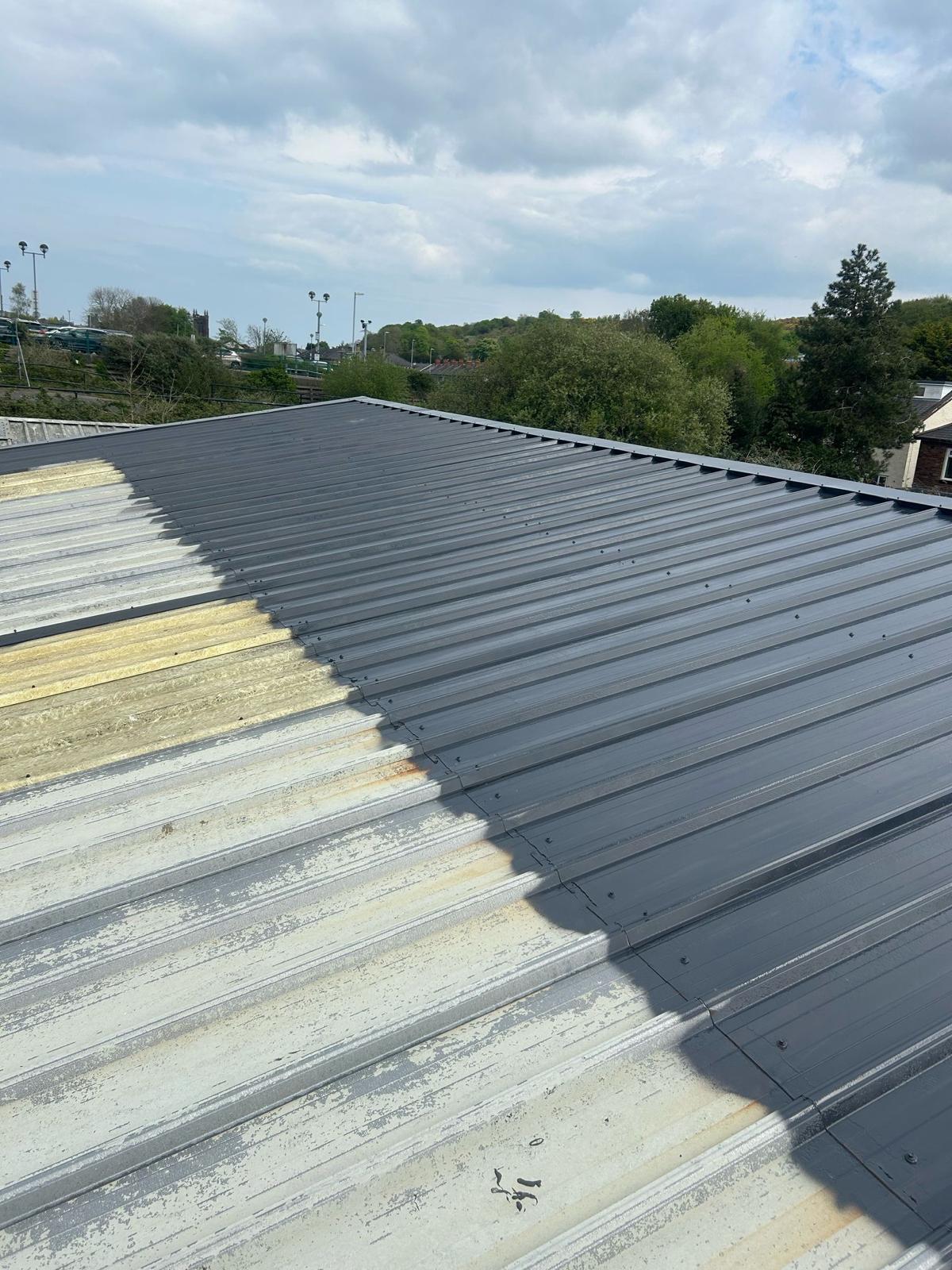
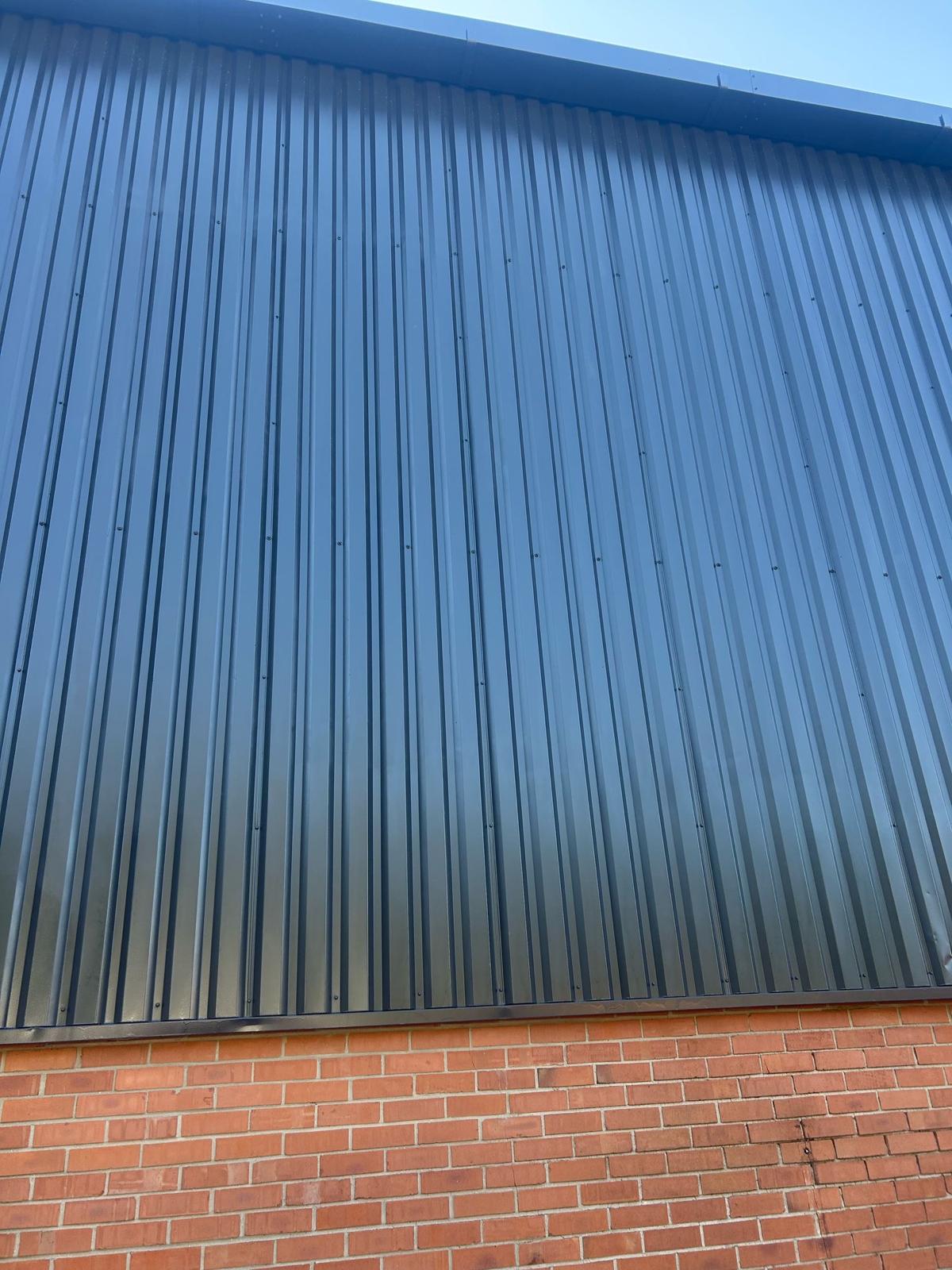
Often, yes, where the panels remain structurally sound and the retained coating can be prepared to accept the system. TopSpray 35 is the main protective colour finish in that refurbishment route.
TopSpray 35 is the final protective finish. UNI-RW is used on suitably prepared exposed or corroded steel where the specification requires it; MonoSealant is used on compatible laps, joints and local flexible details where sealing is required before coating.
Yes. A wide RAL colour choice makes it suitable for restoring the existing colour or changing the appearance of suitable cladding as part of the refurbishment programme.
There is a warranty pathway of up to 25 years subject to the actual substrate, preparation, agreed build-up, application quality and manufacturer approval. It is not an automatic warranty attached to a tin of coating.
Start with the defect, not the product name. That is the safest way to understand whether this system belongs on the job.
A strong fit where the panels remain sound and the retained coating can be prepared for protective recoating and colour restoration.
Can be part of a refurbishment route where the retained factory finish is compatible and adhesion remains suitable after preparation.
Not a direct topcoat-only fix. Prepare the corrosion first and use UNI-RW on exposed steel where the specification requires it before TopSpray 35.
Do not spray over a moving defect. Compatible laps and joints may need MonoSealant or another detail repair before the main finish.
Not the answer. Coating cannot restore lost metal or structural capacity; repair or replacement comes first.
Not the answer. A protective coating does not change the panel assembly's fire classification, insulation value or structure.
Prokol TopSpray 35 is a two-component protective coating used for the refurbishment of suitable commercial metal cladding and roof substrates. On SprayMyCladding it is the main finish stage: the retained coating and substrate are assessed and prepared first, exposed or corroded steel may require UNI-RW where specified, compatible failed laps or joints may require MonoSealant, then TopSpray 35 provides the protective colour finish. It is intended to extend the useful life and restore the appearance of sound existing cladding rather than replace panels that remain serviceable.
faded, chalking or weathered profiled metal cladding and suitable pre-coated steel where the substrate remains structurally sound, the retained coating can be prepared to accept the system, and colour restoration plus long-term protective performance are the main objectives.
Confirm the cladding is refurbishable, clean and prepare the retained coating, and remove defective material rather than coating over it.
Prepare cut-edge corrosion and exposed steel; use UNI-RW where the specification requires a rust-inhibiting primer. Seal compatible failed laps or joints with the correct flexible detailing route.
Apply the specified protective finish in the selected RAL colour to the required project build-up and environmental conditions.
Useful product data should answer a question, not sit in a wall of specification cards. These answers use the current technical information for Prokol TopSpray 35.
2-component protective coating. Prokol protective coating system for suitable prepared substrates.
Eggshell. Protective finish for commercial roof and cladding refurbishment.
Wide RAL range. Project colour choice subject to current manufacturer availability.
Up to 25 years. Subject to substrate condition, specification and manufacturer approval.
Spray applied. Apply to the agreed preparation and film-build requirements.
Protective finish stage. Used after required cleaning, corrosion preparation, priming and detailing.
Often, yes, where the panels remain structurally sound and the retained coating can be prepared to accept the system. TopSpray 35 is the main protective colour finish in that refurbishment route.
TopSpray 35 is the final protective finish. UNI-RW is used on suitably prepared exposed or corroded steel where the specification requires it; MonoSealant is used on compatible laps, joints and local flexible details where sealing is required before coating.
Yes. A wide RAL colour choice makes it suitable for restoring the existing colour or changing the appearance of suitable cladding as part of the refurbishment programme.
There is a warranty pathway of up to 25 years subject to the actual substrate, preparation, agreed build-up, application quality and manufacturer approval. It is not an automatic warranty attached to a tin of coating.
The technical facts are already above. These answers start with the leak, defect or site condition so it is clear when Prokol TopSpray 35 belongs in the solution — and when it does not.
Not necessarily. Fading and chalking can be refurbishment triggers rather than replacement triggers. If the retained coating can be prepared and the metal substrate remains sound, TopSpray 35 may be specified to restore colour and protective performance. Perforation, structural failure or an unsound retained coating changes the decision.
Yes, where the existing cladding is suitable for recoating. TopSpray 35 can be supplied in a wide RAL colour range, making it relevant for colour restoration or a planned colour change without replacing sound panels. The substrate and existing coating still need to pass the preparation and compatibility checks first.
No. Cut-edge corrosion has to be treated as a preparation defect before the main finish. Loose corrosion and failed coating are removed, the exposed steel is prepared, and a rust-inhibiting primer such as UNI-RW may be required where specified. TopSpray 35 is the protective finish, not a shortcut around corrosion treatment.
Only if the remaining coating can be shown to be sound and compatible after preparation. Widespread delamination or poor adhesion means the new finish would be relying on a failed layer beneath it. That needs to be resolved before TopSpray 35 is specified.
Do not rely on the main coating to solve a moving or failed joint. The leak source should be traced first. Compatible laps and joints may need MonoSealant before the main recoating stage. Structural gaps, failed flashings or perforated sheets require their own repair route.
No. A coating cannot restore missing metal or structural capacity. Perforated or materially weakened sheets need local repair or replacement before a protective coating system is considered.
Often, yes. Cladding recoating is normally carried out externally and can be phased around site access, loading bays and operational constraints. The programme depends on access, weather and preparation, but it is generally less disruptive than wholesale cladding replacement.
A warranty pathway is a specification issue, not just a product choice. TopSpray 35 can offer warranty pathways of up to 25 years subject to substrate condition, preparation, agreed build-up, application records and manufacturer approval.
Start with the problem. TopSpray 35 is the stronger fit when the main objective is protective recoating, colour restoration and long-term appearance on suitable metal cladding or roof substrates. SprayGrade is primarily a waterproofing membrane for suitable large-area roof and encapsulation work.
Do not choose the coating from appearance alone. Check retained-coating adhesion, substrate condition, corrosion, laps, fixings and water-ingress routes first. That diagnosis determines whether TopSpray 35 is suitable and what preparation or local repairs are required.