Commercial & Industrial Cladding Refurbishment
Buy the coating system direct — or have the refurbishment installed
Commercial cladding refurbishment restores weatherproofing performance, improves appearance and extends service life without the cost, disruption and programme delays associated with full cladding replacement. Whether the brief is a straight refurbishment after coating breakdown or commercial cladding restoration for a facade that has visibly faded over time, the same survey-led approach applies — substrate integrity is confirmed before any system is specified. Spray-applied coating systems provide seamless, durable protection across steel, aluminium and composite cladding substrates.
Before Refurbishment Recommendations Are Made
A cladding condition survey provides the technical foundation for any refurbishment project. It determines substrate condition, the extent of any deterioration, and the appropriate preparation and system specification.
- Coating failure assessment
- Cut edge corrosion review
- Substrate condition analysis
- Adhesion testing where required
Recommended First Step: Survey
A professional site survey provides the technical foundation for all specification and project decisions. It determines whether refurbishment is viable and which systems are appropriate.
What Is Commercial Cladding Refurbishment?
Commercial cladding refurbishment is the process of restoring and protecting existing cladding systems without complete removal and replacement. Instead of stripping cladding that remains technically suitable, the existing substrate is assessed, prepared, locally repaired where required and finished with a compatible protective coating system. The objective is to restore appearance and protective performance while extending the service life of the existing building envelope.
Refurbishment is suitable for cladding experiencing cut edge corrosion, faded coatings, chalking, failed coatings, water ingress or rust staining — provided the underlying substrate remains structurally sound. The approach offers significant cost savings, reduced programme time, minimal operational disruption and avoids the waste generation associated with full cladding replacement.
Forti Nova supports both routes. Customers who understand the substrate and application can buy the coating system through SprayMyCladding with project quantity calculation, RAL selection, technical guidance and training support. Customers who prefer a delivered project can use the installation route for assessment and approved contractor support.
Refurbishment, spraying or a substrate-specific guide?
These pages answer different search and project questions without forcing every cladding requirement into one generic page.
Commercial cladding spraying
The on-site respraying and recoating method: preparation, spray application, RAL colour restoration and when spraying is appropriate.
CLADDING SPRAYINGPlastisol cladding refurbishment
For faded, chalking or weathered plastisol-coated profiled steel where the panel and remaining coating may still be suitable for recoating.
PLASTISOL GUIDEMetal cladding refurbishment guide
Technical guidance for coated steel, aluminium and compatible metal cladding: substrate identification, preparation and coating selection.
METAL CLADDING GUIDECommercial Cladding Restoration
Where existing cladding remains suitable for refurbishment, restoration can improve the appearance of weathered or faded elevations without automatically resorting to replacement.
The appropriate approach depends on the existing substrate, coating condition, localised defects and the findings of the site assessment. Preparation, repair requirements and coating specification should therefore be confirmed before work proceeds.
Where colour restoration is required, the available finish should be confirmed as part of the project specification.
Cladding repair before refurbishment
Metal cladding repair and corroded cladding repair should be separated from the main recoating stage. Cut edges, failed laps, open joints, damaged fixings and local water-ingress routes are identified and dealt with before the protective finish is applied.
Prepared exposed steel or corrosion areas may require a rust-inhibiting primer such as UNI-RW where the specification calls for it. Compatible laps and joints may require MonoSealant. A coating should never be used to conceal perforated or structurally failed cladding.
Combined roof & cladding refurbishment programmes
On warehouses, factories and distribution buildings, deterioration often affects roofs, gutters and wall cladding at the same time. A combined commercial roof and wall refurbishment programme can coordinate access, preparation, local repairs and compatible systems while keeping each substrate on the correct technical route.
Common Commercial Cladding Problems
Cut Edge Corrosion
Corrosion along panel overlaps and fixings on profiled steel cladding compromising waterproofing and structural integrity.
Cut edge corrosion guideFaded Coatings
UV-driven colour loss and aesthetic degradation reducing building appearance and potentially indicating coating breakdown.
Chalking Coatings
Powdery binder breakdown on the coating surface indicating UV degradation and potential substrate exposure.
Failed Coatings
Delamination, flaking or blistering of previous coating systems requiring remediation before over-coating.
Water Ingress
Leaks through cladding panels, lap joints, flashings or penetrations causing internal damage.
Rust Staining
Active corrosion manifesting as rust stains on cladding surfaces indicating ongoing substrate degradation.
Not sure what's causing your cladding problem? A Forti Nova-supported site assessment will identify the root cause, determine whether refurbishment is suitable, and recommend the appropriate system for your specific cladding type and condition.
Cladding Refurbishment vs Full Replacement
Cladding Refurbishment
- Often significantly less disruptive and less wasteful than full replacement
- Programme completed in days rather than weeks
- Minimal operational disruption — works can often proceed while building remains in use
- No cladding strip-out, skip hire or waste disposal costs
- Seamless protective coating with no joints or seams
- Warranty pathways up to 25 years depending on system and specification
- Environmentally preferable — avoids landfill waste
Full Cladding Replacement
- Significantly higher capital expenditure
- Extended programme — often several weeks
- Major operational disruption — building may need to vacate
- Cladding strip-out, skip hire and waste disposal costs
- Multiple trades and coordination required
- Weather-dependent programme with higher risk of delays
- Significant waste generation sent to landfill
Decision Framework: Refurbishment is typically suitable when the cladding substrate is structurally sound but the coating has deteriorated or weatherproofing has degraded. Replacement may be required when there is significant structural corrosion, widespread substrate failure, or compliance requirements that cannot be met through refurbishment. A site assessment will determine the appropriate approach for your specific building.
Typical Building Types
Warehouses & Distribution Centres
Large-span steel and composite panel cladding requiring cost-effective refurbishment with minimal operational disruption.
Manufacturing Facilities
Industrial cladding systems exposed to chemical, thermal and mechanical stresses requiring durable protection.
Retail Parks & Commercial Units
High-visibility cladding requiring aesthetic restoration and corporate colour matching capability.
Office Buildings
Commercial cladding systems requiring appearance improvement and weatherproofing restoration.
Leisure & Sports Facilities
Cladding on leisure buildings requiring durable, low-maintenance refurbishment solutions.
Educational Buildings
Schools, colleges and universities with cladding requiring refurbishment during holiday periods.
Suitable Coating Systems
Prokol TopSpray 35
High-build spray-applied coating for profiled metal cladding. Warranty pathways up to 25 years, subject to specification and manufacturer approval. RAL colour matching and UV-resistant finish for appearance-led cladding refurbishment.
Liquid Rubber SprayGrade
Two-component spray-applied waterproofing membrane for large-area cladding refurbishment. 15-year product warranty. 600m²+ per day application rate. Broad substrate compatibility including steel, aluminium, composite and pre-coated cladding.
System Selection: The correct system depends on substrate type, cladding condition, performance requirements, aesthetic requirements, budget considerations and warranty pathways. A Forti Nova technical assessment will determine the most appropriate system for your specific project requirements.
Commercial Cladding Refurbishment Projects
Spray-applied coating across commercial buildings
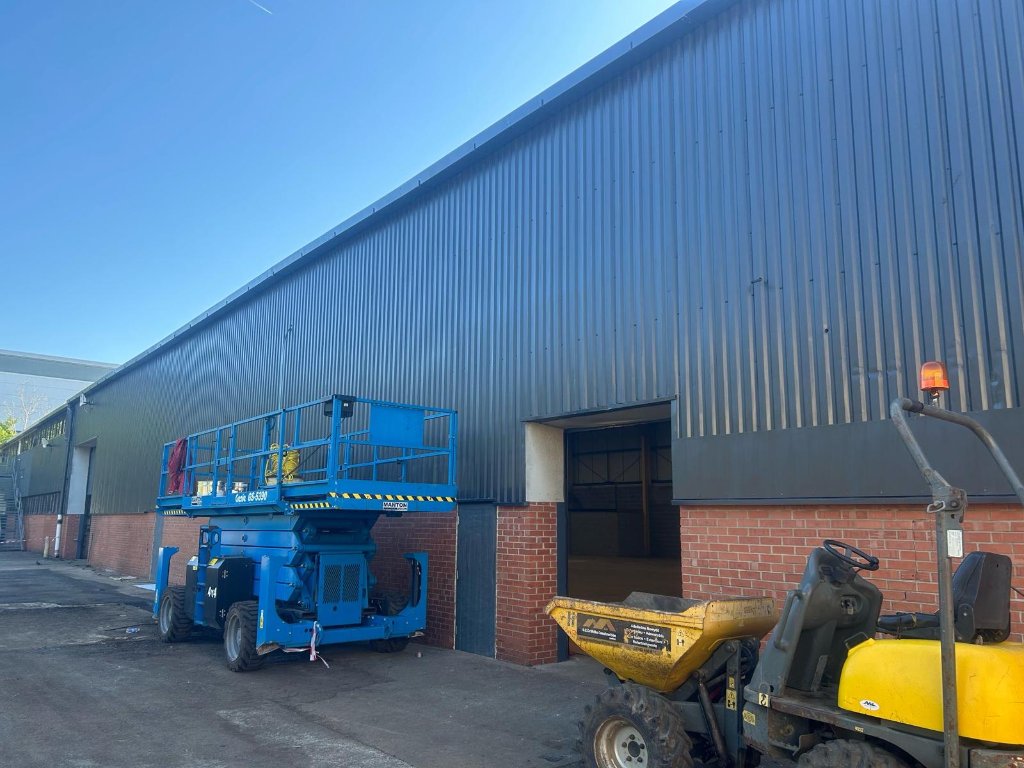
Industrial building exterior elevation showing dark grey coated corrugated metal cladding with scissor lift access platform positioned at entrance.
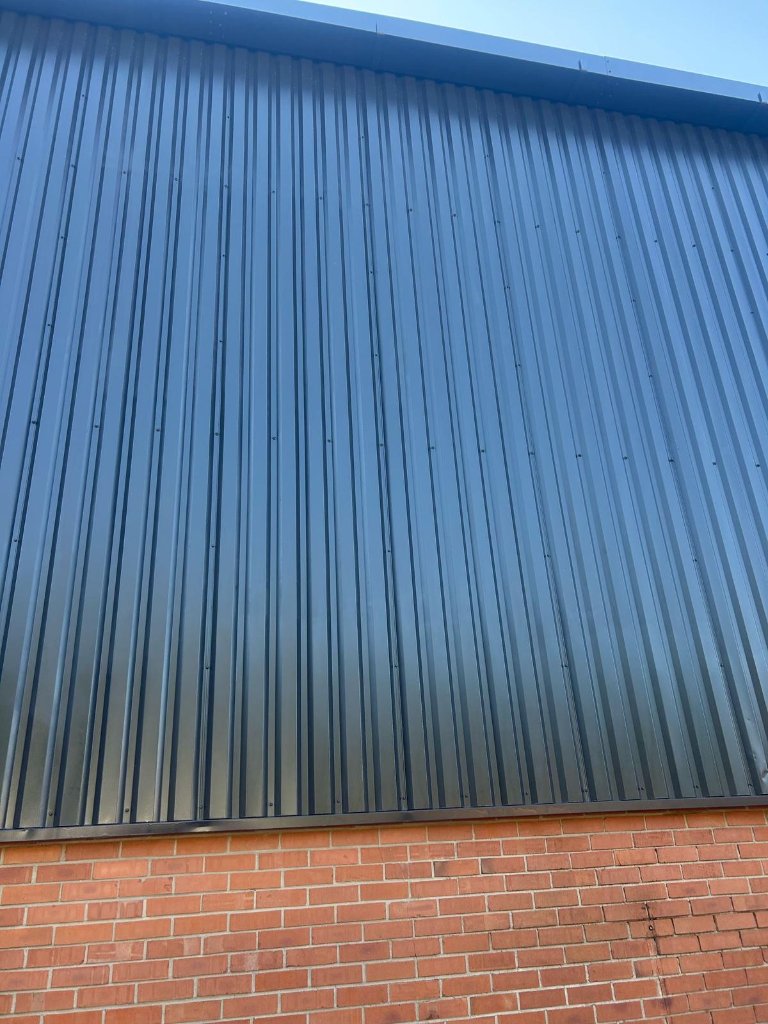
Close-up elevation view of dark grey coated corrugated metal cladding on industrial building above brick plinth course.
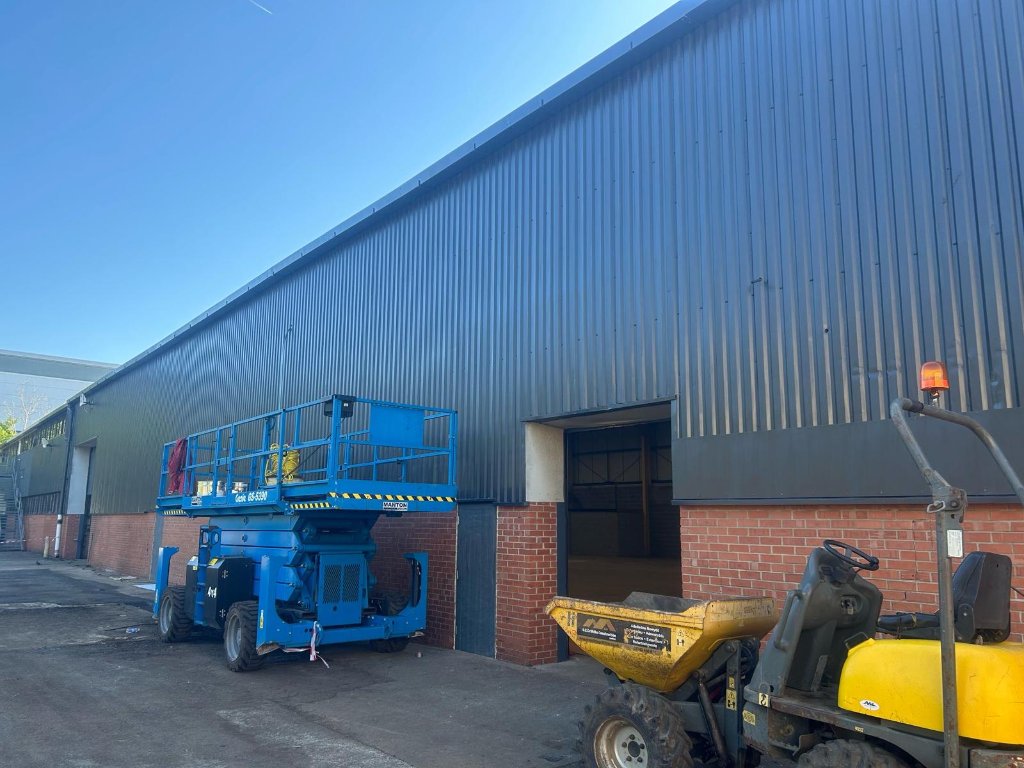
Industrial building exterior showing completed dark grey coated metal cladding elevation with access plant parked at entrance.
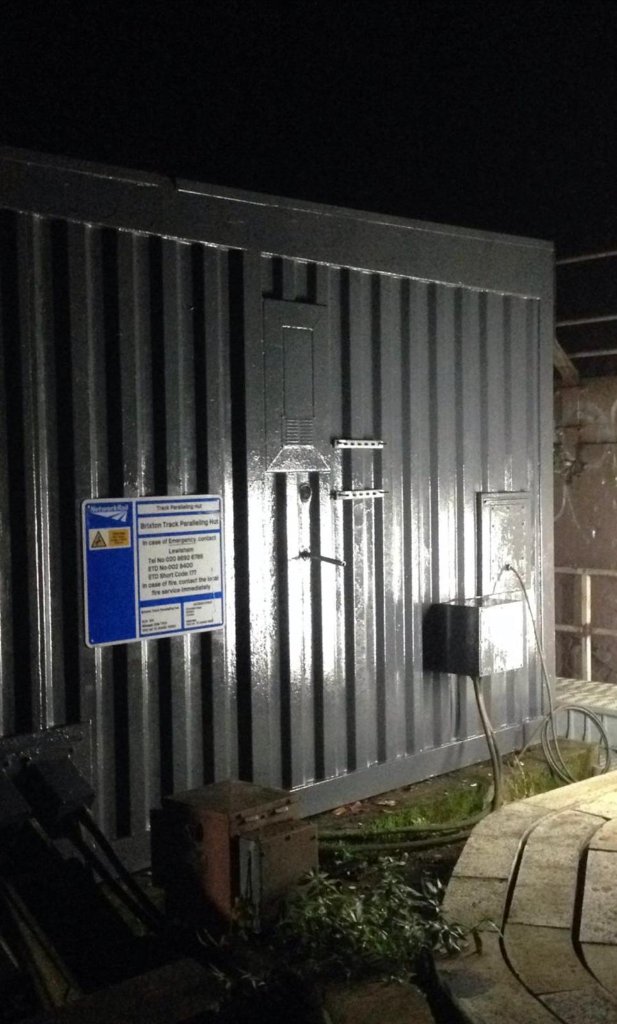
Small corrugated metal utility structure coated in dark grey, photographed at night showing completed protective coating application.
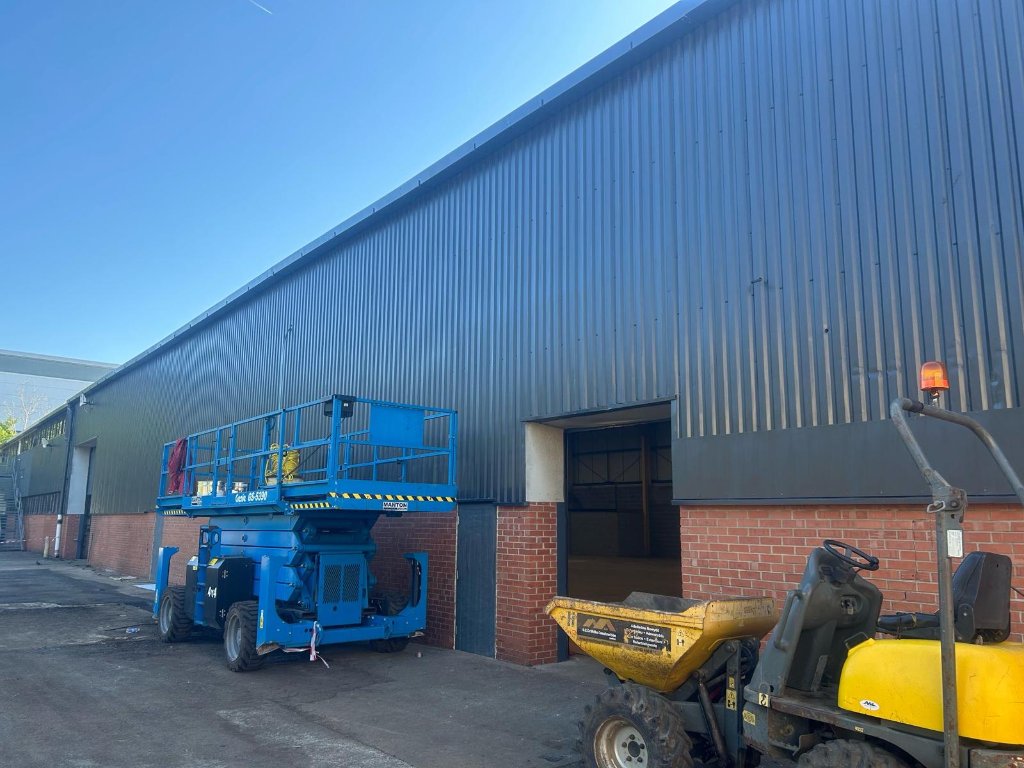
Industrial cladding refurbishment - facade restoration
Technical Review & Specification Basis
- Guidance on this page is provided by Forti Nova, the operator behind SprayMyCladding.
- System recommendations for commercial cladding refurbishment are based on survey-led assessment, substrate condition, coating adhesion and access requirements.
- Manufacturer product guidance is considered where SprayGrade, TopSpray 35 or ProFix systems are relevant to a project.
- Suitability is not assumed from photographs, building age or building type alone. A site assessment is required before specification or quotation.
Cladding condition, cut edge corrosion extent, coating adhesion and colour/system selection are all confirmed through site assessment — not assumed.
Next Steps
Request Site Assessment
Submit your details and a Forti Nova-supported approved applicator will contact you to arrange a site visit. The assessment will identify cladding problems, substrate condition and suitability for refurbishment.
Technical Specification
Based on the assessment findings, Forti Nova will recommend the appropriate coating system, outline the scope of works and provide project pricing.
Approved Applicator Delivery
Once specified, the project will be delivered by a Forti Nova approved applicator trained in spray application, substrate preparation and system installation.
Commercial Cladding Refurbishment Decision Support
Evidence-based guidance for capital expenditure planning, system specification and lifecycle extension strategies. All recommendations grounded in site-specific assessment.
Commercial Cladding Refurbishment Cost
Cost drivers for cladding restoration. Area, access, substrate condition and system specification.
Cut Edge Corrosion Treatment Cost
Cost factors for cut edge corrosion remediation on profiled steel cladding.
SprayGrade vs TopSpray 35
System comparison for cladding refurbishment specification and system selection.
Cladding Refurbishment vs Replacement
Decision framework for building owners evaluating coating against replacement.
Commercial Authority Note: These resources support capital expenditure planning, system specification and contractor selection. All refurbishment decisions should be grounded in a site-specific assessment carried out by a qualified surveyor or approved applicator.
Who This Service Is For
Commercial cladding refurbishment is typically requested by asset managers, facilities managers, building owners and property surveyors responsible for maintaining commercial or industrial building envelopes. It is appropriate where the cladding substrate is structurally sound but the coating has deteriorated, weatherproofing has degraded, or appearance requires restoration.
Asset Managers
Managing commercial property portfolios requiring planned maintenance programmes, lifecycle extension and capital expenditure deferral. Refurbishment extends envelope life and defers replacement capex.
Facilities Managers
Responsible for day-to-day building performance. Refurbishment resolves active cladding defects, restores weatherproofing and reduces reactive maintenance spend.
Building Owners & Landlords
Protecting asset value, meeting lease obligations and maintaining building presentation. Spray-applied refurbishment delivers improvements with minimal disruption to tenants.
Regional Coverage
Commercial cladding refurbishment is available across the UK through Forti Nova's approved applicator network. Survey-led specification and applicator support is available across the North West, Yorkshire and the Midlands. Regional pages set out the common building types and conditions typically found in each area.
Sectors Served
Commercial cladding refurbishment is applicable across industrial and commercial sectors. Each sector presents different specification and programme requirements.
Commercial Cladding Refurbishment: Common Questions
When is commercial cladding refurbishment suitable?
Refurbishment is suitable where the cladding substrate is structurally sound — no through-panel corrosion, no structural delamination — but the coating has deteriorated through fading, chalking, delamination or weathering. A site assessment confirms suitability for each specific building and substrate type.
What substrates can be refurbished?
Profiled steel, aluminium, pre-coated steel, composite panels and fibre cement cladding can all be refurbished, subject to substrate condition assessment. Through-corroded, structurally delaminated or fire-compromised panels cannot be over-coated and may require replacement.
How long does refurbishment take?
Programme duration depends on the area of cladding, access requirements and weather conditions. Smaller commercial buildings may be completed in days. Larger industrial estates may be phased over weeks. Buildings typically remain operational throughout.
Will cladding refurbishment require scaffolding?
Access depends on building height and configuration. MEWP (Mobile Elevated Work Platform) access is used where possible. Scaffold may be required for some configurations. Access method is confirmed during site assessment.
When is replacement required instead of refurbishment?
Replacement is required where through-panel corrosion is confirmed by survey, where panels have structural delamination, where fire compliance upgrading cannot be achieved through coating, or where substrate condition makes refurbishment uneconomical. A site assessment determines which route is appropriate.
What warranty is available?
Warranty depends on the system specified. Liquid Rubber SprayGrade carries a 15-year product warranty. TopSpray 35 from Prokol Protective Coatings offers warranty pathways up to 25 years subject to specification compliance and manufacturer approval. Warranty availability is confirmed at project specification stage.
How is the system selected?
System selection depends on substrate type, cladding condition, project objectives, access requirements and warranty specification. TopSpray 35 is typically selected where appearance and RAL colour matching are priorities. SprayGrade is selected for large-area waterproofing-focused projects. A Forti Nova assessment determines the appropriate system.
Is Your Cladding Suitable for Refurbishment?
Request a site assessment to determine whether commercial cladding refurbishment is suitable for your building. A Forti Nova-supported approved applicator will assess substrate condition, identify problems and recommend the appropriate system.