Faded finish
Colour loss alone does not necessarily mean the panel has failed. It can be an early point to investigate recoating.
Faded, chalking or weathered plastisol-coated steel does not automatically need replacing. Where the panels and remaining coating are suitable, a correctly prepared recoating programme can restore colour and protective performance while keeping the existing cladding in service.
Confirm coating adhesion, steel condition, cut edges, joints and previous repairs.
Refurbishment is about retaining cladding that remains technically suitable, not hiding failed substrate.
Common visible triggers for investigating a refurbishment route.
A new coating depends on the condition and preparation of the existing finish.
Corrosion, laps, joints and fixings are dealt with before the main topcoat.
A suitable system can restore appearance or deliver an agreed colour change.
Plastisol is an existing factory-applied finish on profiled steel. A refurbishment project therefore has two things to consider: the condition of the coating and the condition of the steel panel beneath it. The proposed system must be compatible with the prepared surface and the project conditions.
Colour loss alone does not necessarily mean the panel has failed. It can be an early point to investigate recoating.
Powdery surface deterioration must be removed sufficiently during preparation before a new coating is considered.
Loose, peeling or delaminated areas require a more detailed assessment of adhesion and underlying steel condition.
The exposed sheet edge requires preparation and the specified corrosion-control treatment before the main coating stage.
Failed or open details are separate defects and may require compatible sealing before the main finish.
A new coating is not a substitute for panel repair or replacement where the sheet has materially failed.
Confirm the existing coated-steel substrate and previous coating history as far as practicable.
Check adhesion, coating failure, corrosion, cut edges, joints, fixings and panel integrity.
Clean and mechanically prepare the surface in line with the selected system requirements.
Treat prepared steel/corrosion areas and compatible laps or joints with the products required by the specification.
Apply the specified cladding coating under suitable application conditions and complete the project quality checks.
Often, yes, where the profiled steel panel remains structurally sound and the existing coating can be prepared to accept a compatible refurbishment system. The condition of the coating and the steel beneath it must be assessed first.
Fading or chalking can be a suitable point to consider refurbishment if adhesion remains adequate and corrosion or coating failure has not progressed beyond a refurbishable condition.
Loose or failed coating cannot simply be hidden beneath a new finish. The extent of failure, remaining adhesion and underlying steel condition determine whether preparation and recoating are viable or whether another repair or replacement route is needed.
The cut edges are assessed and prepared as part of the refurbishment scope. Where prepared exposed steel or corrosion areas require a rust-inhibiting primer, UNI-RW may be specified before the main coating. Perforated or materially weakened sheets require repair or replacement.
A colour change can form part of a suitable refurbishment project. The final colour range and finish depend on the selected coating system and agreed specification.
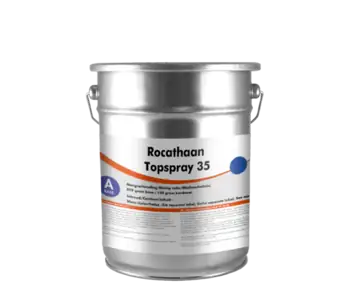
The system is selected after confirming substrate and existing coating condition. TopSpray 35 may be considered for suitable prepared cladding where its technical requirements and project specification are met.
A condition assessment is strongly recommended where the existing coating type, adhesion, corrosion extent or previous refurbishment history is uncertain. The aim is to confirm whether refurbishment is technically justified before materials are specified.
Yes. SprayMyCladding provides a direct buying route, technical guidance and training. Forti Nova also provides a separate installation enquiry route where you want the work delivered.
See the full problem, system, cost and installation cluster.
EXPLOREUnderstand coated steel, aluminium, preparation and system selection.
EXPLOREStart with the visible condition if you are still identifying the problem.
EXPLORE