TECHNICAL ANSWER
What is the material for Rocathaan Primer UNI-RW?
Polyurethane. Two-component, solvent-containing primer.
UNI-RW is the rust-inhibiting primer stage for suitable prepared steel and corrosion areas where the cladding refurbishment specification calls for it. It belongs after mechanical preparation and before the protective finish — not over loose rust and not automatically over every elevation.
Not automatically. Its role is determined by substrate condition and the specification. Prepared exposed or corroded steel is a typical reason to use it.
It provides rust-inhibiting primer protection, but successful refurbishment also depends on removing defective material, preparing the steel and completing the specified coating build-up.
Manufacturer technical information gives 100–250 g/m². Actual consumption depends on the substrate and application.
Technical distributor information lists aluminium among compatible metal substrates, subject to preparation and specification.
Start with the defect, not the product name. That is the safest way to understand whether this system belongs on the job.
Relevant after corrosion and failed coating have been removed back to a sound steel substrate and the specification calls for rust-inhibiting primer.
Can provide the primer stage before the protective finish where compatible and specified.
Do not simply hide it. Diagnose why corrosion is active, prepare the steel correctly, then prime where required.
UNI-RW is not automatically required over every square metre; primer use follows substrate condition and the agreed build-up.
Not the answer. Primer cannot restore missing metal or structural capacity.
Do not assume one primer route suits everything. Confirm preparation and compatibility for each substrate.
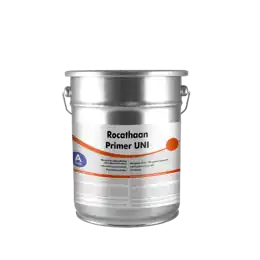
Rocathaan Primer UNI-RW is Prokol's solvent-containing, two-component polyurethane primer with rust-inhibiting properties. It is intended as a strongly adhering primer on steel and other compatible smooth or slightly porous surfaces. In a cladding refurbishment it is particularly relevant after corrosion and cut-edge areas have been correctly prepared back to a sound substrate.
prepared steel, exposed metal, cut-edge corrosion zones and compatible surfaces where the specification requires a rust-inhibiting bonding primer before the protective coating stage.
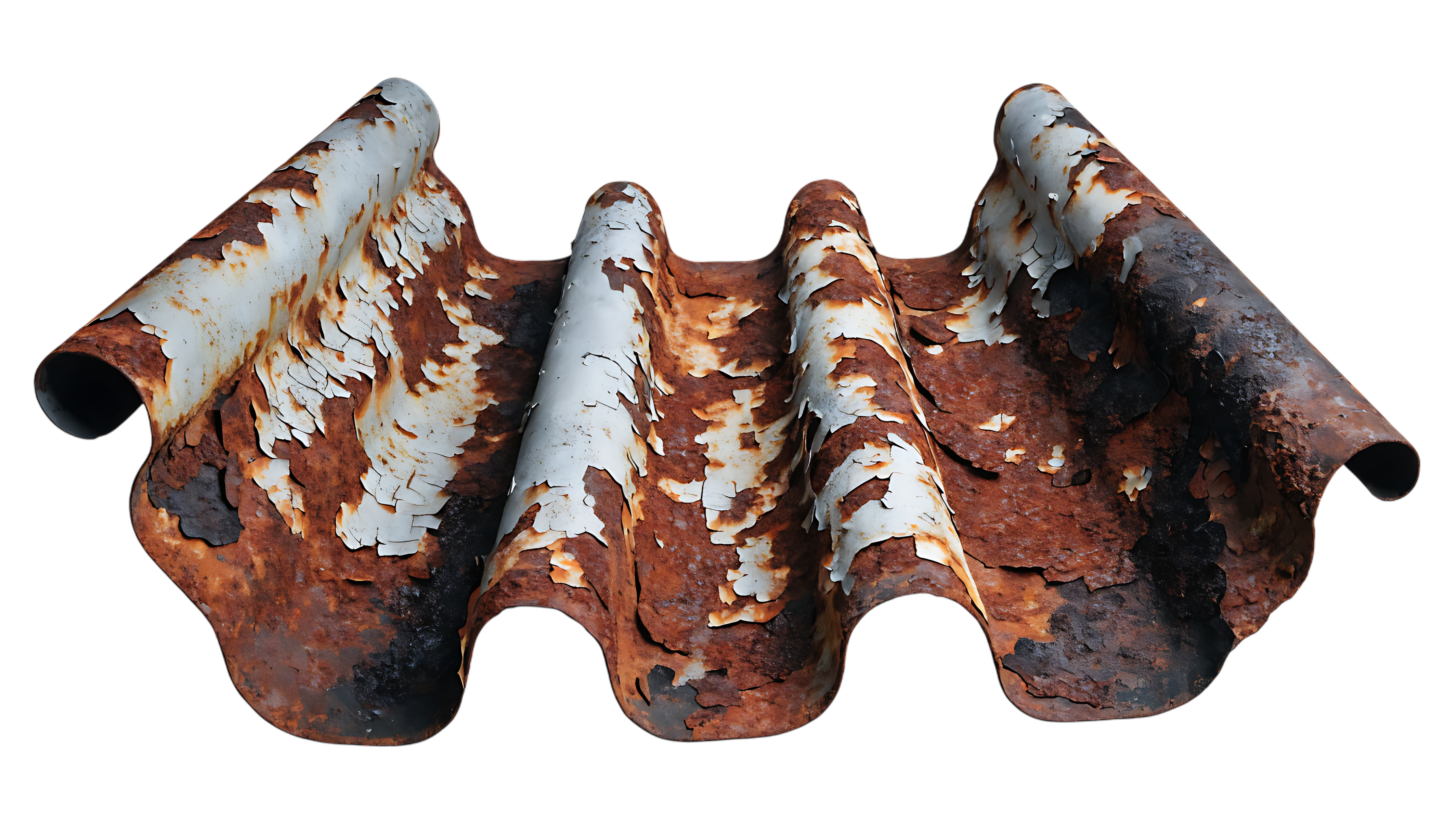
Identify corrosion, failed coating and exposed metal. Remove contamination and prepare the substrate to the project specification.
Apply UNI-RW to compatible prepared areas at the specified consumption rather than treating primer as a substitute for preparation.
Observe the current product data sheet and overcoating requirements before the specified TopSpray 35 finish is applied.
Useful product data should answer a question, not sit in a wall of specification cards. These answers use the current technical information for Rocathaan Primer UNI-RW.
Polyurethane. Two-component, solvent-containing primer.
100–250 g/m². Manufacturer technical information; surface dependent.
5kg / 10kg. Whole two-component sets.
Approx. 180 min at 20°C. Use current PDS for project control.
10–35°C. Object/substrate limits also apply.
Spray / brush / roller. Follow current manufacturer application guidance.
Not automatically. Its role is determined by substrate condition and the specification. Prepared exposed or corroded steel is a typical reason to use it.
It provides rust-inhibiting primer protection, but successful refurbishment also depends on removing defective material, preparing the steel and completing the specified coating build-up.
Manufacturer technical information gives 100–250 g/m². Actual consumption depends on the substrate and application.
Technical distributor information lists aluminium among compatible metal substrates, subject to preparation and specification.
The technical facts are already above. These answers start with the leak, defect or site condition so it is clear when Rocathaan Primer UNI-RW belongs in the solution — and when it does not.
The corrosion needs to be exposed, cleaned and prepared back to a sound substrate before the main coating is considered. Where the specification requires a rust-inhibiting bonding primer on the prepared steel, UNI-RW is the primer stage — it is not a substitute for removing loose rust, scale or failed coating.
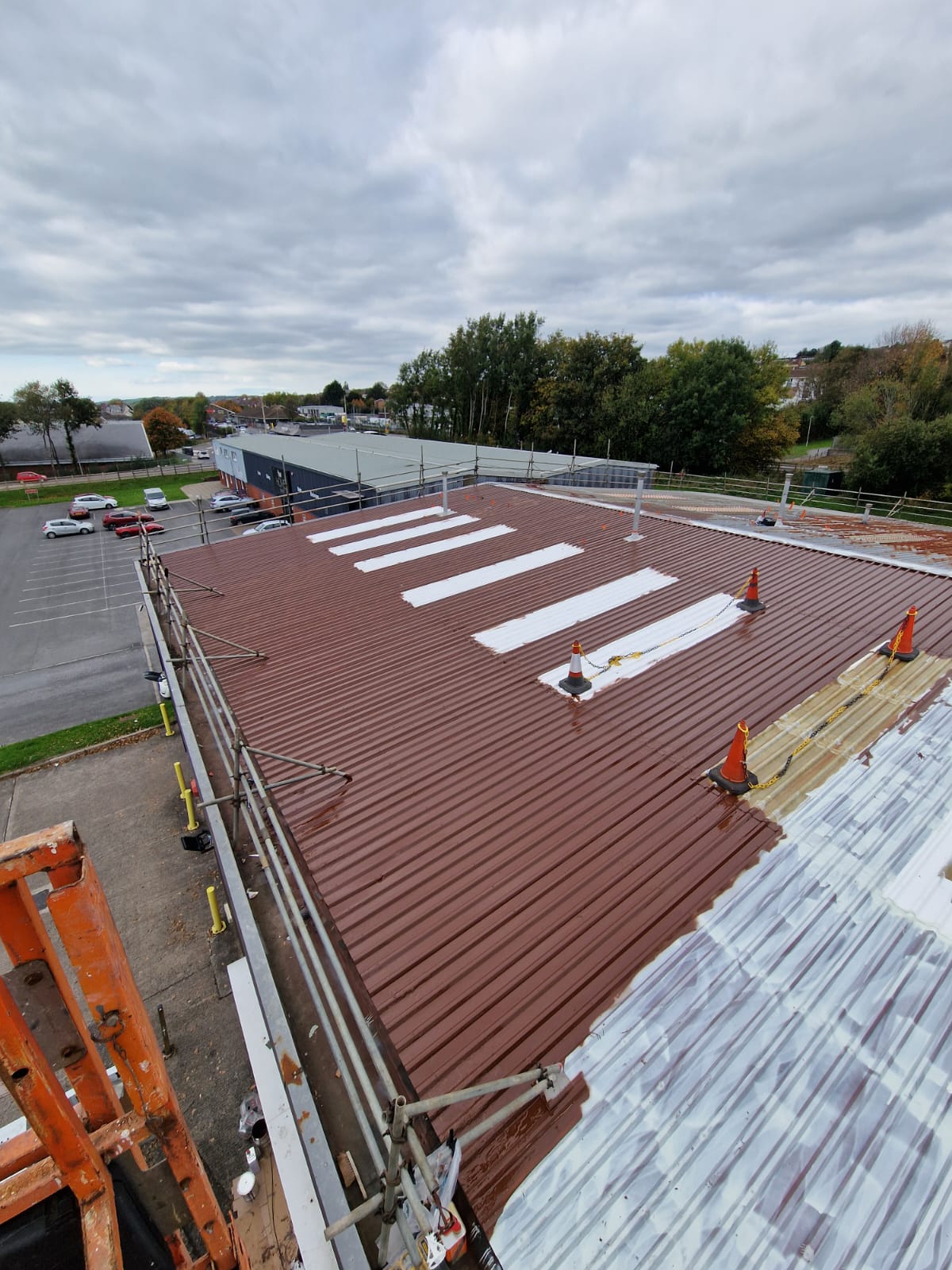
Not automatically. Prepared exposed steel may require UNI-RW before the protective finish, depending on the agreed build-up. The correct route is preparation first, primer where specified, then the compatible topcoat within the manufacturer's overcoating requirements.
No. Recurring rust usually means the corrosion source or failed coating beneath has not been properly dealt with. UNI-RW can form part of a corrosion-control build-up on prepared compatible steel, but coating over active loose corrosion is not a durable repair.
No. A primer cannot restore lost steel thickness or repair perforated sheet. Material loss, perforation or structural weakness needs a repair or replacement decision before any coating system is specified.
No. Primer use should follow substrate condition and the project specification. Prepared exposed or corroded steel is a typical reason to use UNI-RW; sound retained factory coating may follow a different preparation route.
Do not assume so. Different metals and retained factory finishes can require different preparation and primer routes. Confirm compatibility for each substrate rather than treating UNI-RW as a universal answer to every metal surface.